
Translated from the Hindi original. Automated translation, checked by an AI reviewer.
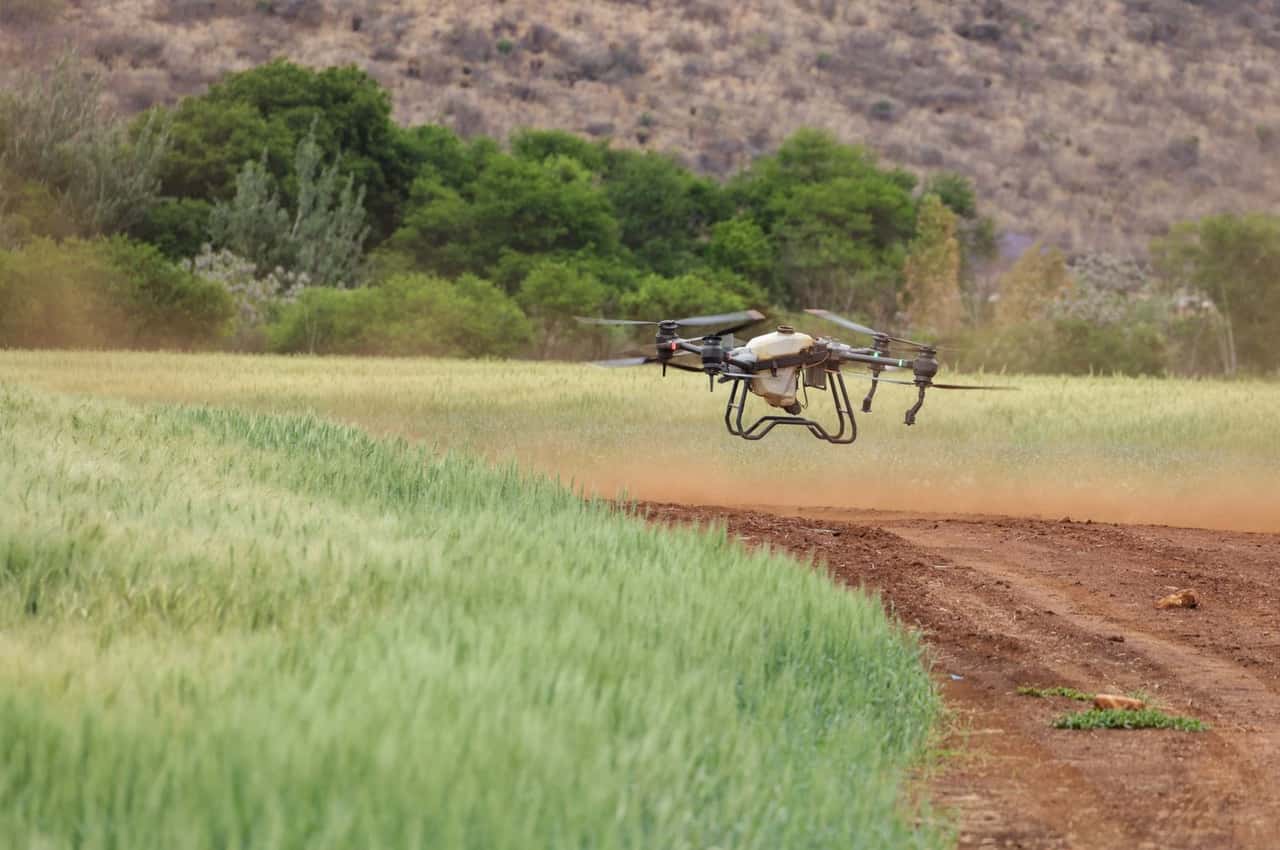
The use of drones in farming and other work is set to expand in Uttar Pradesh. According to Prabhat Khabar, the Institute of Cooperative and Corporate Management, Research and Training (ICCMRT) in Lucknow's Indira Nagar will now teach people to operate medium-category drones weighing up to 150 kilograms. Earlier, it offered training only for drones weighing up to 25 kilograms. According to the report, these drones will also help spray pesticides and fertilisers in fields in less time.
Lucknow institute gets new approval
The report says Minister of State for Cooperation (Independent Charge) JPS Rathore launched the programme on Monday. The institute has received approval from the Directorate General of Civil Aviation (DGCA) to provide training for large drones. Railway Protection Force personnel began learning to fly large drones on the first day. According to the report, besides young people, personnel from the police, CRPF and fire department will also be able to train here. These drones are also expected to help monitor railway tracks and power lines, map large areas and deliver relief supplies during disasters such as floods. The institute has trained 747 women as drone pilots so far.
How farming will benefit
According to the report, drones will help apply pesticides and fertilisers in fields in less time. They are also said to be useful for assessing crop conditions and surveying large areas. The minister announced that initially, one cooperative society (M-PACS) would be selected in each district that houses a divisional headquarters. The society will receive a drone and an e-rickshaw. In the next phase, the same arrangement will be extended to the remaining districts and tehsils.
Information was also shared about the institute's affiliation with Tribhuvan Sahkari University in Gujarat. Preparations are underway to introduce courses such as MBA-Agriculture and more than 50 certificate courses here. A digital library, gym and digital conference hall were also inaugurated.
Unnao's Drone Didi sets an example
Amar Ujala's report shows that drone spraying is working on the ground. A woman from Sathni Balakhera village in Unnao's Bighapur tehsil, known locally as Drone Didi, used a drone to apply fertilisers and pesticides to three hundred acres of paddy during the kharif season. Deputy Director of Agriculture Ravi Chandra Prakash honoured her with a memento at Krishi Bhawan for this work.
According to the report, she joined the village's IFFCO society and went to Prayagraj to learn how to spray liquid fertilisers and crop protection chemicals using drones. Over the past year, she has sprayed more than one thousand acres of crops such as potato, maize, banana, paddy and wheat, from Bighapur to Bangarmau. Despite facing taunts initially, she persisted and gradually won farmers' trust. She is doing this work despite having studied only up to high school.
Before getting their fields sprayed by drones, farmers should consult their Krishi Vigyan Kendra or an agricultural expert about the right crop protection chemical, fertiliser and quantity for their crop.
Key points
- Pilot training for drones weighing up to 150 kilograms has begun at ICCMRT in Lucknow.
- In the first phase, selected cooperative societies at the divisional level will receive drones and e-rickshaws.
- Drones will help spray pesticides and fertilisers in less time.
- Unnao's Drone Didi was honoured for spraying three hundred acres of paddy.
- Consult a Krishi Vigyan Kendra about the crop protection chemical and quantity before spraying.
Sources
- People in UP will now learn to fly a 150 kg drone: Training begins in Lucknow, benefiting everyone from police to farmers, report by Prabhat Khabar (Prabhat Khabar), 3 November 2026
- Unnao News: Fertilisers and pesticides sprayed using drones, report by Amar Ujala (Amar Ujala), 27 October 2026